
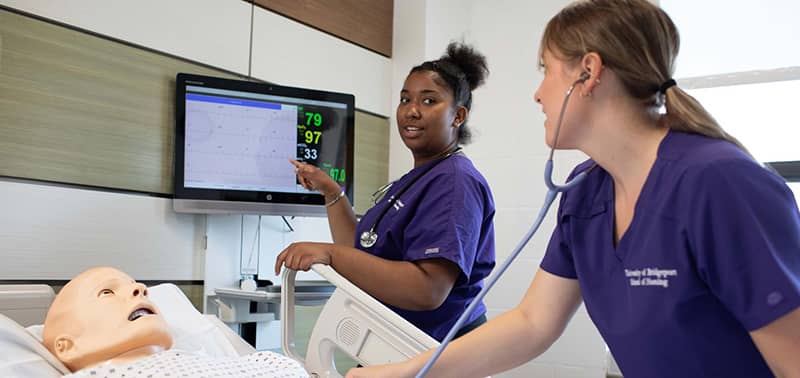
For many registered nurses in Alabama, earning a Bachelor of Science in Nursing (BSN) is one of the most impactful steps they can take in their career. Whether you are currently working as an RN in a hospital, clinic, or community health setting, or you are considering returning to school, an RN to BSN degree can open doors to higher pay, leadership roles, specialized clinical positions, and greater professional recognition. In Alabama’s healthcare environment, which includes major medical centers in Birmingham, Huntsville, Mobile, and growing rural healthcare needs, a BSN is increasingly seen as a standard for high‑quality patient care and career advancement.
This guide is written specifically for nurses in Alabama who want to understand every aspect of the RN to BSN path: what the requirements are, how much programs cost, the range of online and hybrid options available, and which programs provide the best return on investment. You’ll learn how to choose a program that fits your schedule, how online coursework can accelerate your progress, and why earning a BSN may be one of the smartest decisions you make for long‑term career growth.
Why Earning an RN to BSN Matters in Alabama
Registered nurses with a bachelor’s degree are often preferred for supervisory, clinical education, public health, and managerial roles. In Alabama, hospitals and healthcare systems are increasingly adopting BSN‑preferred hiring practices in response to national nursing standards and research linking BSN‑educated nurses to improved patient outcomes. This shift means that nurses with a BSN may enjoy greater job security, more opportunities for advancement, and stronger negotiating power when it comes to salary.
In addition, Alabama employers — from community hospitals to long‑term care facilities — are looking for nurses who understand leadership principles, critical thinking in complex clinical settings, and evidence‑based practice. An RN to BSN degree equips nurses with these skills while also preparing them for graduate work should they choose to pursue a master’s or doctoral degree later in their careers.
Who This Guide Helps
This guide is ideal for:
-
Licensed RNs in Alabama considering a BSN
-
Nurses near graduation from diploma or ADN programs
-
Working nurses seeking career advancement
-
Adults balancing work, family, and education
-
Professionals planning to transfer credits or test out of coursework
No matter your experience level, this guide will help you make an informed decision about your educational path.
Key Benefits of RN to BSN Programs
For many nurses, the BSN is more than a degree — it’s a career catalyst. Key advantages include:
-
Higher earning potential: BSN holders frequently earn more than ADN‑only nurses.
-
Expanded career options: BSNs qualify for leadership, education, and management roles.
-
Better patient outcomes: Research shows BSN‑educated nurses improve care quality.
-
Preparation for graduate study: A BSN is often the first step toward advanced practice.
-
Increased employability: Many healthcare systems prefer or require BSNs.
Understanding these benefits is essential before deciding how — and where — to earn your BSN.
What You Need to Know Before Enrolling
Before you compare programs, it’s important to understand three foundational factors that influence your RN to BSN journey: requirements, cost, and format.
RN to BSN Requirements in Alabama
Most RN to BSN programs in Alabama require:
-
A current, unencumbered RN license in Alabama
-
An associate degree in nursing (ADN) or nursing diploma
-
Official transcripts from all prior colleges or nursing schools
-
A minimum GPA (often 2.5–3.0, depending on the school)
-
Prerequisite coursework (such as microbiology, anatomy, and English)
Some programs also require a written essay, letters of recommendation, or proof of clinical experience. If you have transferred credits or relevant coursework, many schools will evaluate your record and allow you to enter the program with credit.
Cost Considerations
Cost is one of the most important factors for adult learners. Tuition varies widely by school, delivery format, and residency status:
-
Public institutions often offer lower tuition, especially for in‑state students.
-
Private institutions may be more expensive but offer more flexible schedules or smaller class sizes.
-
Online programs may have a slightly higher per‑credit cost but save you money on travel and time away from work.
In Alabama, typical total tuition for an RN to BSN program ranges from around $6,000 to $20,000, depending on the institution and whether credits transfer. Remember to factor in books, technology fees, and any campus visits required for clinical labs.
Online vs. Campus Options
Online RN to BSN programs provide the flexibility many working nurses need. These programs allow you to:
-
Complete coursework at your own pace
-
Log in from home or work with minimal disruption
-
Continue full‑time employment while pursuing your BSN
However, some online programs may require a short residency or on‑campus clinical experience to satisfy state nursing requirements.
In‑person (campus) programs offer face‑to‑face interaction and structured labs, but they require commuting and a more rigid schedule. Many working nurses choose hybrid programs that blend online coursework with periodic campus sessions.
Best RN to BSN Programs in Alabama
Alabama has a number of strong RN to BSN pathway options, each with its own strengths. When comparing programs, consider factors such as:
-
Tuition cost and payment options
-
Program length and pace
-
Online or hybrid availability
-
Transfer credit policies
-
Clinical placement support
Below is an overview of notable programs available to Alabama residents. These are not ranked but offer a representative look at quality options:
RN to BSN at University of Alabama at Birmingham (UAB)
UAB offers a BSN completion program known for its academic rigor, faculty expertise, and strong clinical partnerships. The program integrates leadership, research, and community health, preparing nurses for advanced roles.
RN to BSN at Auburn University
Auburn’s online RN to BSN program allows flexibility for working professionals. Courses emphasize evidence‑based practice, healthcare leadership, and culturally competent care.
RN to BSN at Troy University
Troy’s program is designed with working nurses in mind, offering online coursework and personalized academic support. The curriculum balances clinical knowledge with leadership and management principles.
RN to BSN at Jacksonville State University
JSU offers an RN to BSN degree with online and campus components, allowing students to tailor their learning based on lifestyle and goals. The program focuses on community health, research, and nursing theory application.
RN to BSN at University of Alabama in Huntsville (UAH)
UAH’s program emphasizes evidence‑based clinical practice, research, and advanced leadership. With strong alumni support and academic counseling, UAH is a solid option for nurses seeking career growth.
Comparison Table: RN to BSN Programs in Alabama
| Program | Tuition Range | Delivery Format | Estimated Completion | Online Options |
|---|---|---|---|---|
| UAB | Mid–High | Hybrid / Online | 12–18 months | Yes |
| Auburn | Mid | Online | 12–18 months | Yes |
| Troy University | Low–Mid | Online | 12–18 months | Yes |
| Jacksonville State | Low–Mid | Hybrid | 12–18 months | Partial |
| UAH | Mid–High | Hybrid | 12–18 months | Yes |
How to Apply Step‑by‑Step (Alabama RN to BSN)
-
Verify eligibility: Confirm your active RN license and educational background.
-
Request transcripts: Send official transcripts from ADN or diploma programs.
-
Complete prerequisites: If needed, finish required courses before applying.
-
Submit application: Complete the online application and pay any fees.
-
Write personal statement: Communicate your goals, experience, and reasons for pursuing a BSN.
-
Apply for financial aid: Submit FAFSA or check for institutional scholarships.
-
Evaluate transfer credits: Work with advisors to minimize coursework.
-
Register for classes: Plan your schedule based on work and personal commitments.
Online Program Considerations for Working Nurses
Online RN to BSN programs are excellent for working nurses, but they require strong time management. Many programs offer self‑paced courses, asynchronous lectures, and flexible assignment deadlines, which benefit students balancing family and work responsibilities.
Return on Investment (ROI)
Earning a BSN can significantly increase lifetime earnings. In Alabama, BSN‑educated nurses often qualify for:
-
Charge nurse or shift supervisor roles
-
Nurse educator or clinical coordinator roles
-
Leadership positions in hospital administration
-
Public health and community nurse roles
Beyond salary, the BSN also creates a foundation for advanced practice degrees like MSN, DNP, or healthcare leadership doctorates.
Common Mistakes & How to Avoid Them
Choosing the wrong program or underestimating costs can slow your progress. Avoid these common missteps:
-
Assuming all online programs are equivalent — verify accreditation
-
Ignoring transfer credit policies — this can lengthen time in school
-
Not planning finances — review tuition, fees, books, and tech costs
-
Overlooking program support services — mentoring and advising matter
Careful research and academic planning help you avoid these issues.
Tools & Resources
-
Academic advising and transfer evaluation services
-
Online forums for Alabama nurses
-
Financial aid and scholarship guides
-
Professional nursing associations
Frequently Asked Questions (FAQs)
What are the RN to BSN requirements in Alabama?
You need an active Alabama RN license, official transcripts, and any prerequisite coursework required by the school.
How much does it cost?
Costs range from roughly $6,000 to $20,000 depending on the institution and delivery format.
Can I work while completing an RN to BSN online?
Yes. Most online and hybrid programs are designed for working nurses.
How long does it take to finish?
Most programs can be completed in 12–18 months with full‑time study.
Is a BSN required to advance my career in Alabama?
Many employers prefer or require BSNs for leadership, education, and specialized clinical roles.
Are online RN to BSN programs respected by employers?
Yes, as long as they’re from accredited institutions recognized in Alabama.
Can I transfer credits from my ADN?
Most programs allow transfer credits, which reduces time and cost.
Is financial aid available?
Yes. Federal aid, scholarships, and employer tuition reimbursement are common.
Do online programs require campus visits?
Some hybrid programs may have occasional on‑campus requirements, but many are fully online.
What careers can I pursue after a BSN?
Nurse manager, clinical educator, case manager, public health nurse, and advanced practice nurse paths.
Summary Comparison Table
| Category | Best Options |
|---|---|
| Most Flexible Online | Auburn, Troy |
| Best for Leadership Roles | UAB, UAH |
| Best Value | Troy, Jacksonville State |
| Best Transfer Policies | All listed schools |
Conclusion
Earning an RN to BSN in Alabama is a strategic and rewarding investment in your professional future. With strong demand for BSN‑educated nurses, flexible online options, and a wide range of programs designed to fit working adults, now is a great time to take the next step. Whether you are aiming for leadership, advanced clinical roles, or a foundation for graduate study, an RN to BSN degree prepares you for long‑term success in nursing.