
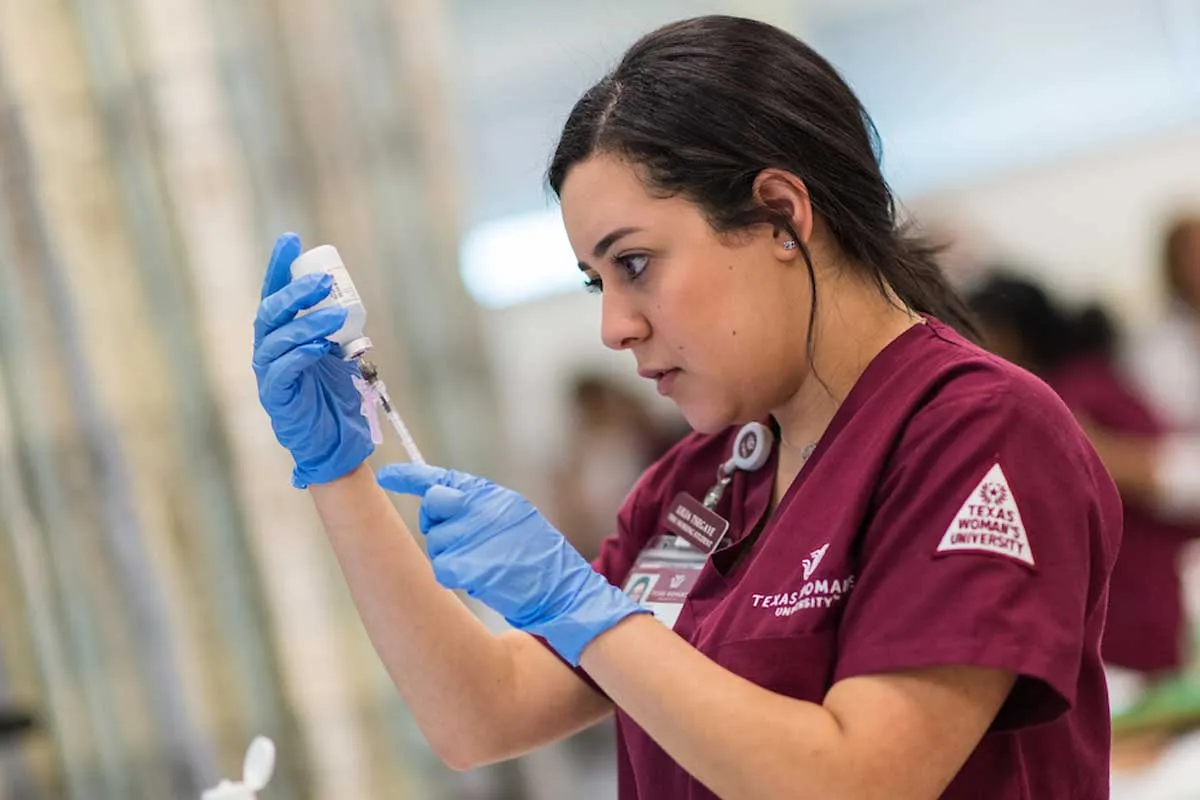
For many nurses in Texas and beyond, becoming a Family Nurse Practitioner (FNP) is a life‑changing career move. The FNP role is one of the most respected and in‑demand positions in healthcare. It offers higher pay, more responsibility, and greater career opportunities than bedside registered nursing. But before you commit to this path, you need a clear and thorough understanding of how much it costs to become an FNP at Texas Woman’s University (TWU) in 2026.
In this guide, we explain:
-
All components of the FNP program cost
-
Differences in tuition for in‑state, out‑of‑state, and online learners
-
Hidden fees and clinical expenses
-
How long it takes to finish the program
-
Salary expectations and return on investment
-
Financial aid, scholarships, and cost‑saving strategies
-
How to choose the right path for you
Whether you are a working nurse, a career changer, or a student planning ahead, this guide gives you everything you need to make an informed decision about your FNP education in Texas.
Becoming an FNP is more than a degree — it’s a financial decision as well as a professional one. Tuition is just the beginning. You must also budget for fees, textbooks, clinical requirements, travel, licensing tests, and more. Without a clear plan, many students face unexpected expenses late in the program. That can delay graduation or increase debt.
In Texas, the demand for FNPs continues to grow. Hospitals, clinics, and private practices across the state are hiring nurse practitioners to fill gaps in primary care, chronic disease management, and specialty care. With salaries well above the state average for RNs, many nurses can recover their education costs within a few years.
This guide breaks down every cost and helps you plan wisely. You will know what you will pay, when you will pay it, and how to reduce your overall expenses.
Who This Guide Is For
This article is written for:
-
Registered nurses (RNs) who want to become FNPs
-
Working adults balancing jobs, family, and school
-
Career changers with prior degrees considering nursing
-
Students comparing costs across programs
-
Adult learners seeking flexible, online, or hybrid options
If you want clear, real‑world cost estimates and timeframes for the FNP program at TWU, you will find it here.
What You Need to Know: Texas
Texas is a large and diverse state with a rapidly growing population. Healthcare demand is rising in big cities like Houston, Dallas, Austin, and San Antonio, and also in rural counties where access to primary care is limited. Family Nurse Practitioners are in high demand because they can provide comprehensive care, work independently within scope, and serve communities that lack physicians.
According to workforce studies, FNPs in Texas earn significantly more than registered nurses and enjoy stable career growth. But before you can earn that higher salary, you must invest time and money to complete your FNP training.
What Is a Family Nurse Practitioner (FNP) Program?
An FNP program prepares registered nurses to provide advanced healthcare services. Graduates can:
-
Diagnose and treat illnesses
-
Prescribe medications
-
Conduct health assessments
-
Manage chronic diseases
-
Provide preventive and wellness care
Texas Woman’s University offers a Family Nurse Practitioner specialization as part of its Master of Science in Nursing (MSN) or Doctor of Nursing Practice (DNP) degrees. The FNP track focuses on family care across all ages — from pediatrics to adults and seniors.
TWU’s program emphasizes clinical reasoning, evidence‑based practice, and leadership skills. The curriculum combines classroom learning with supervised clinical experiences in real healthcare settings.
How Long Does the TWU FNP Program Take?
MSN with FNP Specialization
-
Full‑Time Students: 2–3 years
-
Part‑Time Students: 3–4 years
-
Includes both coursework and clinical hours
DNP with FNP Specialization
-
Full‑Time Students: 3–4 years
-
Includes advanced practice coursework, research, and a final project or scholarly capstone
Your timeline depends on how many courses you take per semester, your work schedule, and whether you enroll full‑time or part‑time. If you work while studying, part‑time often makes sense. If you can focus solely on school, full‑time lets you finish sooner.
Tuition Costs for 2026
Tuition is the largest component of your FNP education cost. At Texas Woman’s University, tuition varies by residency, program type, and delivery mode.
In‑State Tuition
Students who are Texas residents pay the lowest tuition rates. In 2026:
-
Tuition per Credit Hour (MSN/DNP): Around $840
-
Total Credits (Typical FNP Program): 46–50 credits
-
Estimated Total Tuition Cost: $38,640 – $42,000
State residents benefit from lower per‑credit charges and can often use state financial aid more easily.
Out‑of‑State Tuition
Students from outside Texas pay more than residents:
-
Tuition per Credit Hour: Around $1,200
-
Estimated Total Tuition Cost: $55,200 – $60,000
Out‑of‑state tuition can be a major factor in your decision. Some out‑of‑state students consider relocating or seeking in‑state residency before starting the program to reduce costs.
Online Tuition
Online learners sometimes pay the same tuition as in‑state students, even if they live elsewhere. This depends on TWU’s policy for online programs in 2026. Many online FNP students enjoy:
-
Access to in‑state tuition rates
-
Fewer campus‑based fees
-
Reduced commuting and housing costs
Estimated Online Tuition: $38,000 – $45,000 depending on residency and additional online fees
Mandatory Fees Beyond Tuition
Tuition is only part of what you pay. Texas Woman’s University also charges mandatory fees, which may include:
| Fee Type | Estimated Amount | Notes |
|---|---|---|
| Technology/Online Support | $600 – $1,200 | Supports online classroom platforms |
| Lab/Simulation Fee | $300 – $800 | For hands‑on training and skills labs |
| Application Fee | $60 – $100 | Per application cycle |
| Graduation Fee | $200 – $350 | Charged upon program completion |
| Student Services/Campus Access | $400 – $800 | Library, advising, student support |
These fees vary slightly every year and may be different for online vs on‑campus students.
Clinical Training Costs
Clinical experiences are required in every FNP program. These experiences give you real patient care exposure but come with their own costs.
Typical Clinical Expenses
-
Background Checks: $75–$200
-
Drug Screening: $30–$80
-
Health Clearance & Immunizations: $50–$200
-
Professional Liability Insurance: $35–$100 per year
-
Transportation & Parking: $300–$1,500+
-
Clinical Uniforms & Tools: $150–$400
Clinical expenses are often paid separately from tuition. Some students find placements close to home to reduce travel costs, while others may prefer clinical sites near their workplace.
Books, Supplies, and Study Materials
Graduate nursing students often spend more on books and supplies than undergraduates. In 2026, you should budget for:
-
Textbooks & eBooks: $1,200 – $1,800
-
Clinical Manuals & Reference Guides: $200 – $400
-
Software/Apps for Medical Reference: $50 – $200
-
Laptop or Tablet (if needed): $600 – $1,200
These costs will differ based on whether your program uses traditional textbooks or subscription‑based digital learning platforms.
Licensing, Certification, and Exam Fees
After completing your FNP program, you must pass a national certification exam to practice as an advanced practice nurse. Most students choose between:
-
American Nurses Credentialing Center (ANCC) FNP Exam
-
American Association of Nurse Practitioners (AANP) Certification Exam
Typical costs in 2026:
-
Certification Exam Fee: $250 – $450
-
State RN License Renewal: $100 – $150
-
Advanced Practice License Fee: Varies by state
Licensing and certification costs are often overlooked but are required steps before you can start practicing.
Total Program Cost Summary
Here’s a full picture of the total estimated costs for Texas Woman’s University FNP Program in 2026:
| Cost Component | In‑State Total | Out‑of‑State Total | Online Total |
|---|---|---|---|
| Tuition | $38,640 – $42,000 | $55,200 – $60,000 | $38,000 – $45,000 |
| Mandatory Fees | $1,500 – $3,150 | $1,500 – $3,150 | $1,200 – $2,800 |
| Clinical Costs | $1,000 – $3,500 | $1,000 – $3,500 | $1,000 – $3,500 |
| Books & Supplies | $1,500 – $2,400 | $1,500 – $2,400 | $1,500 – $2,400 |
| Certification & Licensing | $350 – $650 | $350 – $650 | $350 – $650 |
| Estimated Total Cost | $42,990 – $51,700 | $59,550 – $69,700 | $42,050 – $54,350 |
This table gives you a realistic idea of what you can expect to pay from start to finish. The actual costs may vary slightly depending on your course load, clinical placements, finance choices, and timing.
How to Finance Your FNP Education
Most students do not pay all costs out of pocket. Here are common ways to reduce your financial burden:
1. Federal Financial Aid
Complete the FAFSA to determine eligibility for low-interest loans and federal grants.
2. Scholarships
TWU and private organizations offer scholarships for nursing students. These may be merit‑based or need‑based. Examples include:
-
Nursing leadership scholarships
-
Scholarships for minority or underrepresented students
-
Merit awards for strong GPAs
Applying early increases your chance of receiving funds.
3. Employer Tuition Reimbursement
Many hospitals and healthcare systems in Texas offer tuition reimbursement for nurses pursuing advanced degrees. This can significantly reduce your out‑of‑pocket cost.
4. Loan Forgiveness Programs
Texas participates in some federal and state loan forgiveness and repayment incentive programs for healthcare professionals working in underserved or rural areas.
5. Military and Veteran Benefits
If you have military service, you may qualify for GI Bill or Yellow Ribbon benefits that cover a portion of tuition and fees.
Comparing Programs: Is TWU a Good Value?
When evaluating the value of an FNP program, consider:
-
Tuition vs Expected Salary: FNPs in Texas earn significantly more than RNs, with average starting salaries often above $115,000 per year.
-
Program Reputation: TWU has a strong nursing reputation with high graduate success rates.
-
Flexibility: Online and hybrid options make it easier for working adults.
-
Clinical Support: Faculty support for clinical placements is crucial for completion.
In many cases, TWU’s total program cost — even for out‑of‑state students — is competitive with other graduate nursing programs while providing strong career outcomes.
Salary Expectations for FNPs in Texas
Advance practice nurses in Texas enjoy high demand and strong salaries:
| Role | Average Annual Salary |
|---|---|
| Entry‑Level FNP | $110,000 – $120,000 |
| Mid‑Career FNP | $120,000 – $130,000 |
| Experienced FNP | $130,000 – $145,000 |
| FNP in Specialty (e.g., Psychiatric) | $140,000 – $155,000 |
Salaries vary by city, specialty, and employer type. Urban areas often pay more, but rural regions may offer incentives like loan repayment.
Step‑by‑Step Plan to Choose the Right Option
-
List Your Priorities: Decide on cost limits, location, and flexibility.
-
Compare Tuition: Look at in‑state vs out‑of‑state vs online costs.
-
Estimate Your Timeline: Full‑time vs part‑time will affect total cost.
-
Apply for Aid: Submit FAFSA and scholarship applications early.
-
Plan Clinical Logistics: Identify where you will complete hours.
-
Map Your ROI: Compare total cost to expected salary after graduation.
Common Mistakes Prospective Students Make
-
Underestimating Costs: Many students forget to include books, fees, and clinical travel.
-
Ignoring Financial Aid Early: Applying late reduces aid options.
-
Not Planning Time Wisely: Part‑time schedules may prolong costs.
-
Choosing Lowest Tuition Only: The cheapest program isn’t always the best fit for your career.
Tools & Resources for Success
To manage your education and expenses, use:
-
Budget spreadsheets for tuition and living costs
-
Study calendars to balance work and school
-
Online support groups for FNP students
-
Clinical placement trackers
Frequently Asked Questions
1. How much will total FNP education cost at TWU in 2026?
Final costs vary but average $42,000–$54,000 for most students, including tuition, fees, clinical costs, and books.
2. Can I work while earning my FNP?
Yes. Many students work part‑time or full‑time while completing online or hybrid programs.
3. Are clinical placements provided?
TWU assists with clinical placements, but students often arrange their own local sites with faculty approval.
4. Are there scholarships specifically for FNP students?
Yes. Nursing schools, hospitals, non‑profits, and state nursing associations offer various scholarships.
5. Do online students have to be in Texas?
Online students can live elsewhere, but clinical placements must meet program and state requirements.
6. How long before I start earning as an FNP?
Most full‑time students finish in 2–3 years and can begin practicing immediately after certification.
7. What certification will I need?
Most graduates take the ANCC or AANP national FNP certification exam upon graduation.
8. How does cost compare to other Texas NP programs?
TWU’s costs are competitive and often lower than many private programs.
9. Do employers pay for graduate nursing education?
Many Texas healthcare employers offer tuition reimbursement programs.
10. Is an FNP degree worth the cost?
For many, the higher salary, job security, and expanded scope of practice make the investment worthwhile.
Conclusion: Planning for Success
Becoming a Family Nurse Practitioner through Texas Woman’s University in 2026 is a meaningful career decision. The total cost — including tuition, fees, clinical requirements, books, and exams — can range from about $42,000 to $55,000 depending on residency and format. With proper planning, scholarships, and aid, you can make this investment manageable.
Nurse practitioners in Texas enjoy high demand and strong salaries, often earning well above the cost of their education within a few years of practice. Whether you choose in‑state, out‑of‑state, or online learning, TWU’s FNP track offers flexibility, solid clinical training, and a clear path to advanced practice.
If your goal is greater career opportunity, higher income, and expert patient care skills, then planning your FNP program carefully will set you up for success — personally and professionally.